STEAM STORIES
After School Program
STEAM Stories is an after school offering on Mondays for students in Grades PreK to Grade 1. The students listen to a story and then work on STEAM projects related to the story.
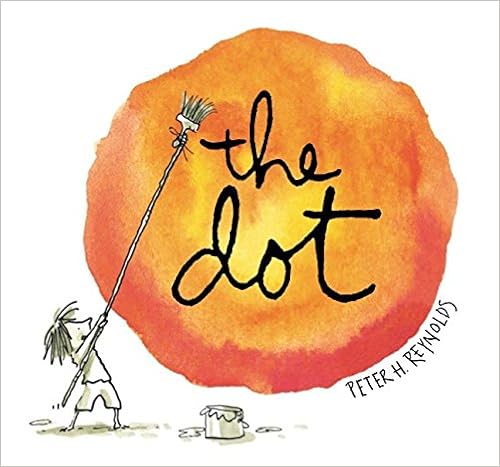
The first week story was Dot by Peter H. Reynolds. This book is about how a simple dot can lead to beautiful self-discovery when you are brave enough to persevere, be creative, and try new things.
First, students colored a sheet from QuiverVision. The Quiver app is an augmented reality coloring app which turns pictures the students color into 3D digital representations which seem to float above the page. The student's dots looked like beach balls above the paper and they could try to "hold" the ball with their hand.


Second, students created colorful spin art dots using SNAP Circuits. SNAP Circuits are a tool to introduce circuitry to young students who do not have the fine motor skills to work with wires. All the components of the SNAP Circuits snap together.

Third, they also created digital graphic pointillism pictures using Pixie for the iPad.
These activities were in conjunction with International Dot Day on September 15, 2018 and the students received a certificate for their work from the Reynolds Center.
*******************************************************************************
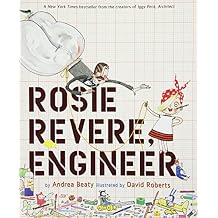
For their project the students attempted to make a paper helicopter with the Rose Revere, Engineer pattern. They found that these paper helicopters did not spin very well. We discussed the Engineering Design Process and use it as they then created a second attempt using a different pattern and tested it. These helicopters spun much better.
